Best dermatoscopes in 2026: DermLite, HEINE, ILLUCO and digital models compared
By Imaginos Team · Published on November 2, 2026
The best dermatoscope depends on the light you need. Pocket hybrids such as the DermLite DL5 Plus, DermLite DL5 and HEINE DELTA 30 UV switch between polarized and non-polarized light and add UV; the DL5 Plus also has an orange PigmentBoost light and Bluetooth. Simpler models (DermLite DL1, HEINE DELTAone) cover routine exams for less. For hair counting, digital trichoscopes with 20x to 70x on screen fit better than a 10x pocket scope.
Most dermatoscopes on the market magnify 10 times. What really separates one from another is the light: whether it can switch between polarized and non-polarized, whether it has an orange light, whether it has UV. Then come the practical questions: does it clip onto your phone, does it fit in a coat pocket, does it talk to an app. This guide compares 25 models from DermLite, HEINE, ILLUCO, KaWe, Riester and the main digital makers on exactly those points, with the maker's own page behind every cell.
How to read the tables. Prices are the maker's US list price before tax, checked on 2 November 2026; the line below shows the price in Spain, VAT included, from the official shop or an authorized dealer. In Brazil and Mexico the distributors sell by quote. Where a maker does not state something, or its own pages disagree, the cell shows a dashed question mark instead of a guess. Click a model's name to open the maker's page.
What to look at before buying
Polarized, non-polarized, or both
Non-polarized dermoscopy works by contact: a drop of fluid or gel under the glass removes the surface glare and shows superficial structures such as milia-like cysts. Polarized dermoscopy uses crossed filters instead, needs no contact or fluid, and shows deeper features such as vessels and shiny white lines.[1] Each one shows things the other hides, which is why most current pocket models are hybrids that switch between the two with a button.[2] DermLite (DL5 and DL5 Plus) and ILLUCO also offer parallel polarization as an extra setting.
Orange light (PigmentBoost)
DermLite is the only brand in this guide that advertises an orange light. On the DL5 it is mixed into the white light; the DL5 Plus and the DL4 add a PigmentBoost Plus mode that lights the skin with the orange LEDs alone.[3][5] DermLite presents it as a way to bring out pigmented structures. HEINE takes a different route on the DELTA 30 PRO: instead of orange, its colorSHIFT changes the white light among four color temperatures.[7]
UV light
A 365 nm UV mode turns the dermatoscope into a pocket Wood's lamp. It is built into the DermLite DL5 and DL5 Plus and the HEINE DELTA 30 UV, and the ILLUCO IDS-9100 has UV at 365 to 380 nm.[3][6][9] For a wide view of the skin under UV there are dedicated devices, covered in their own section below.
Phone, pocket and wireless
Most hybrids now clip onto a phone with a magnet. DermLite includes the clamp with the DL5 and DL5 Plus; HEINE sells a universal magnetic adapter that needs a hard phone case.[3][6] Classic models such as the HEINE DELTA 20T, KaWe and Riester sit on a battery handle, which is portable but not pocket-sized. Wireless is still rare: the DermLite DL5 Plus is the only pocket model here with Bluetooth, which lets the DermLite app switch its lights and take a polarized, non-polarized and UV photo in one tap.[4]
Complete pocket hybrids
The top tier: polarized and non-polarized light in one pocket device, most of them with UV.
| Model | Light | Use | |||||||
|---|---|---|---|---|---|---|---|---|---|
| Polarized | Non-polarized | Switches between both | Orange light | UV | Magnification | Attaches to a phone | Pocket-sized | Wireless | |
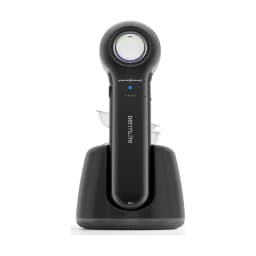 | Has it | Has it | Has it | Has itPigmentBoost Plus | Has it365 nm | 10x | Has itmagnet, included | Has it | Has itBluetooth |
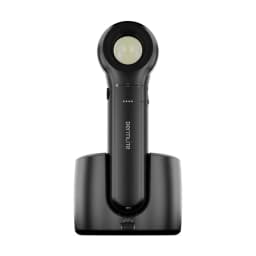 | Has it | Has it | Has it | Has itPigmentBoost | Has it365 nm | 10x | Has itmagnet, included | Has it | Doesn't have it |
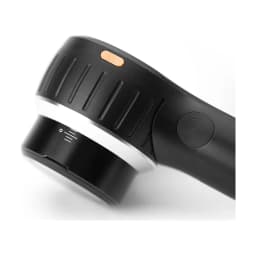 | Has it | Has it | Has it | Has itPigmentBoost Plus | Doesn't have it | 10x | Has itkit sold separately | Has it | Doesn't have it |
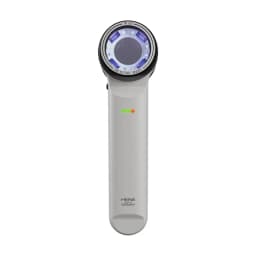 | Has it | Has it | Has it | Doesn't have it | Has it365 nm | 10x | Has itadapter sold separately | Has it | Doesn't have it |
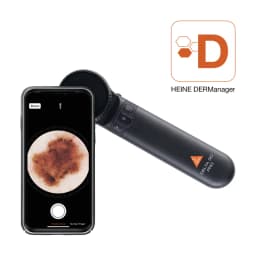 | Has it | Has it | Has it | Doesn't have it4 color temperatures | Doesn't have it | 10x | Has itadapter sold separately | Has it | Doesn't have it |
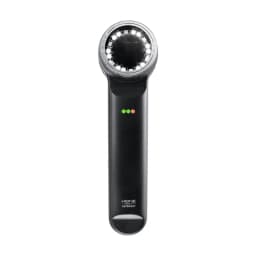 | Has it | Has it | Has it | Doesn't have it | Doesn't have it | 10x | Has itadapter sold separately | Has it | Doesn't have it |
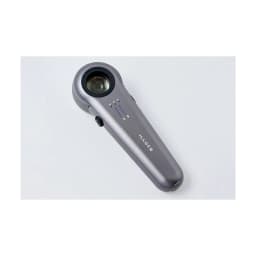 | Has itcross and parallel | Has it | Not stated by the maker | Not stated by the maker | Has it365 to 380 nm | 12x | Not stated by the makerthe maker's pages disagree | Has it | Not stated by the maker |
The DermLite DL5 Plus is the most complete pocket model in this guide: both lights, PigmentBoost and PigmentBoost Plus, 365 nm UV, a magnetic phone clamp in the box and Bluetooth.[3][4] The DL5 keeps almost everything except the Bluetooth, for US$100 less. On the HEINE side, the DELTA 30 UV is the one that adds UV; the DELTA 30 PRO trades UV for color temperatures and the plain DELTA 30 keeps the essentials.[6][7] The ILLUCO IDS-9100 stands out for its 12x lens, but ILLUCO does not publish a price, and its pages disagree on whether it fits a phone.[9]
Mid-range
Hybrid light without UV or orange, for less.
| Model | Light | Use | |||||||
|---|---|---|---|---|---|---|---|---|---|
| Polarized | Non-polarized | Switches between both | Orange light | UV | Magnification | Attaches to a phone | Pocket-sized | Wireless | |
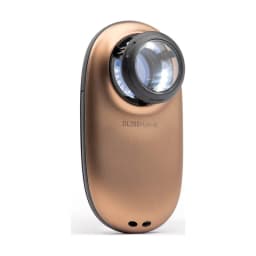 | Has it | Has it | Has it | Doesn't have it | Doesn't have it | 10x | Has itbuilt-in magnet | Has it | Doesn't have it |
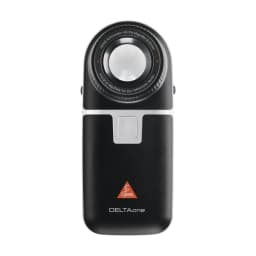 | Has it | Has it | Has it | Doesn't have it | Doesn't have it | 10x | Has itadapter sold separately | Has it | Doesn't have it |
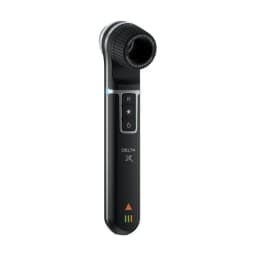 | Has it | Has it | Has it | Doesn't have it | Doesn't have it | 10x | Has itadapter sold separately | Has it | Doesn't have it |
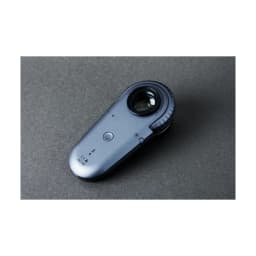 | Has itcross and parallel | Not stated by the maker | Not stated by the maker | Not stated by the maker | Doesn't have it | 10x | Has itclamp sold separately | Has it | Not stated by the maker |
The DermLite DL200 Hybrid has the magnet built into the body. The HEINE DELTA X is the most affordable HEINE hybrid, with a magnetic phone adapter sold separately.[8] The ILLUCO IDS-1100 offers cross and parallel polarization; ILLUCO does not state a non-polarized contact mode.
Entry level, phone and classic handle models
| Model | Light | Use | |||||||
|---|---|---|---|---|---|---|---|---|---|
| Polarized | Non-polarized | Switches between both | Orange light | UV | Magnification | Attaches to a phone | Pocket-sized | Wireless | |
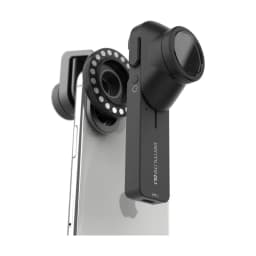 | Has it | Has it | Has itby swapping the spacer | Doesn't have it | Doesn't have it | 10x | Has itclamp included | Has it | Doesn't have it |
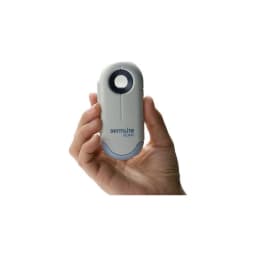 | Has it | Doesn't have it | Doesn't have it | Doesn't have it | Doesn't have it | 10x | Not stated by the maker | Has it | Doesn't have it |
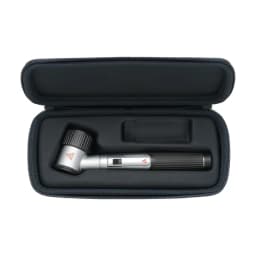 | Not stated by the maker | Has itcontact plate | Doesn't have it | Doesn't have it | Doesn't have it | 10x | Not stated by the maker | Has it | Doesn't have it |
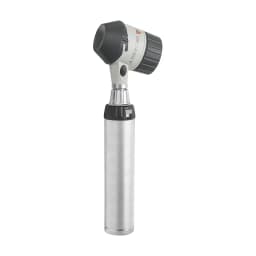 | Has it | Has it | Has it | Doesn't have it | Doesn't have it | 10 to 16x | Doesn't have itcamera (SLR) adapter | Doesn't have iton a battery handle | Doesn't have it |
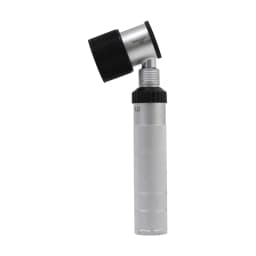 | Doesn't have it | Has itcontact with gel | Doesn't have it | Doesn't have it | Doesn't have it | about 10x | Not stated by the maker | Doesn't have iton a battery handle | Doesn't have it |
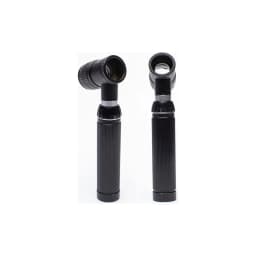 | Not stated by the maker | Has itcontact plate | Not stated by the maker | Doesn't have it | Doesn't have it | 10x | Not stated by the maker | Doesn't have iton a battery handle | Doesn't have it |
The DermLite DL1 is built for the phone: tiny, hybrid by swapping its spacer, with the clamp included. The DL100 is the classic polarized-only pocket scope. The HEINE DELTA 20T is a hybrid on a battery handle whose magnification goes from 10x to 16x depending on the viewing distance; it connects to SLR cameras, not phones. The KaWe EUROLIGHT D30 LED and the Riester ri-derma are traditional contact dermatoscopes on a handle.
UV and Wood's lamp devices
These are not 10x dermatoscopes: they light a wide area under UV at low magnification.
| Model | Light | Use | |||||||
|---|---|---|---|---|---|---|---|---|---|
| Polarized | Non-polarized | Switches between both | Orange light | UV | Magnification | Attaches to a phone | Pocket-sized | Wireless | |
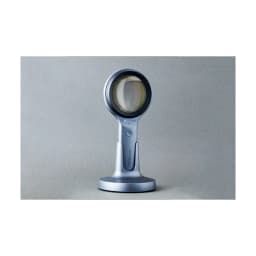 | Has itcross and parallel | Not stated by the maker | Not stated by the maker | Not stated by the maker | Has it395 and 405 nm, Wood's lamp | 2.5x | Not stated by the maker | Doesn't have ithandheld lamp | Not stated by the maker |
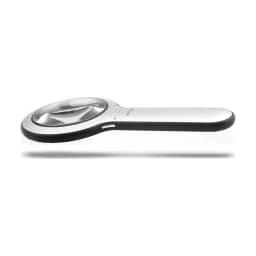 | Has it | Doesn't have it | Doesn't have it | Doesn't have it | Has it365, 385 and 405 nm, Wood's mode | 2.3x | Not stated by the maker | Doesn't have ithand loupe | Doesn't have it |
The ILLUCO IDS-3100 is sold as a handheld Wood's lamp, with UV at 395 and 405 nm and a 100 mm lens at 2.5x.[10] The DermLite Lumio 2 is a 2.3x skin loupe with UV at 365, 385 and 405 nm and a Wood's mode.
Digital and video dermatoscopes
Here the camera is part of the device. Note that the magnification of most of these is measured on the screen, so it depends on the size of the display and cannot be compared one to one with the 10x of an optical scope.
| Model | Light | Use | |||||||
|---|---|---|---|---|---|---|---|---|---|
| Polarized | Non-polarized | Switches between both | Orange light | UV | Magnification | Attaches to a phone | Pocket-sized | Wireless | |
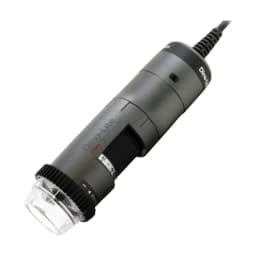 | Has itadjustable | Not stated by the maker | Not stated by the maker | Not stated by the maker | Doesn't have it | 10 to 50x on screen | Doesn't have itUSB to a computer | Doesn't have itneeds a computer | Doesn't have it |
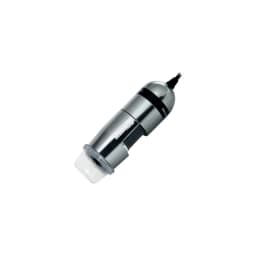 | Has it | Not stated by the maker | Not stated by the maker | Not stated by the maker | Doesn't have it | 10 to 70x and 200x on screen | Doesn't have itUSB to a computer | Doesn't have itneeds a computer | Doesn't have itWi-Fi version sold apart |
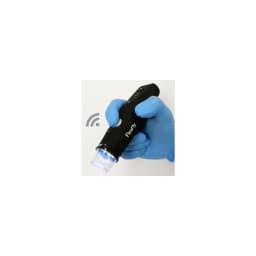 | Has it | Not stated by the maker | Not stated by the maker | Not stated by the maker | Not stated by the maker | up to 56x | Doesn't have itsends the image to the phone over Wi-Fi | Has it | Has itWi-Fi |
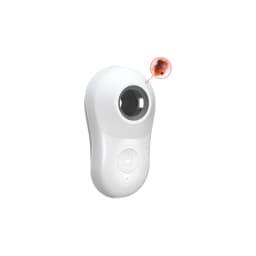 | Has it | Doesn't have it | Doesn't have it | Not stated by the maker | Not stated by the maker | 10x optical | Has itmount for your phone model | Has it | Doesn't have it |
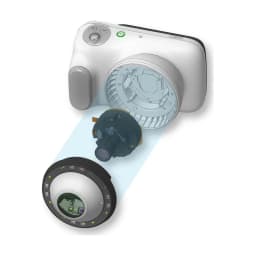 | Has it | Has it | Has itall three in one shot | Not stated by the maker | Has it405 nm | camera, 8x digital zoom | Doesn't have itstandalone camera | Doesn't have itcompact camera | Has itWi-Fi |
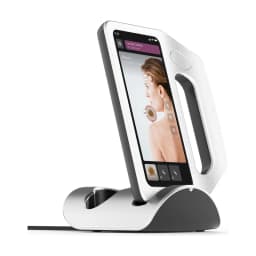 | Has it | Has it | Has it5 light modes | Doesn't have it | Has it365 and 405 nm | 10x | Doesn't have itown 6.7-inch screen | Doesn't have ithandheld unit with screen | Not stated by the maker |
The Dino-Lite TrichoScope line was made for the scalp, at 10x to 70x plus a 200x step, connected to a computer by USB (a Wi-Fi version is sold apart).[11] The Firefly DE370 sends its image over Wi-Fi to an app on the phone or tablet.[12] The MoleScope II clips to the phone; its manual gives 10x optical, while the larger figure on its site is magnification on an iPhone screen.[13] The Casio DZ-D100 is a standalone camera that takes the polarized, non-polarized and UV photos in one shot.[14] The DermLite skeen, new in 2026, is a handheld unit with its own 6.7-inch screen and five light modes.
Which one for hair?
A 10x pocket dermatoscope is enough to look at the scalp: hair shafts, follicular openings, perifollicular signs. Counting hairs and measuring their thickness is a different job: trichoscopy is done both with handheld 10x dermatoscopes and with video dermatoscopes at higher magnification, and the 20x to 70x range of digital devices such as the Dino-Lite TrichoScope helps when every hair has to be counted.[15] If hair is a large part of your practice, consider one of each.
Where Imaginos comes in
The dermatoscope gives you the image; keeping it findable and comparable over time is the part that follows. Sequential digital dermoscopy, the basis of follow-up for high-risk patients, depends on capturing the same lesion the same way at every visit.[16]
- Works with the dermatoscope you already have. Imaginos runs on the phone your dermatoscope clips onto, or on the computer a dermatoscope with its own camera (such as a Dino-Lite) plugs into. No new hardware to buy.
- Every photo records the device. You register your dermatoscope once, and each photo keeps which device, magnification and phone took it.
- Measurements in millimeters. A quick calibration gives each device its scale, so sizes are comparable between visits.
- Comparison over time. The same lesion or scalp area, captured the same way, side by side across visits, with AI support for lesion screening and hair counts.
For the software side, see the best dermatology imaging software; for the technique itself, what is dermoscopy.
The honest limits
Specifications and prices change: these were checked on the makers' pages on 2 November 2026, and dealer prices outside the US vary. A dermatoscope is only as useful as the training of the person using it, and no device in this guide makes a diagnosis on its own. Imaginos is clinical documentation and analysis software, not a medical device, and does not make diagnoses.
FAQ
- How much does a dermatoscope cost?
- On the makers' US price lists (before tax, checked on 2 November 2026), pocket models range from about US$395 (DermLite DL100) to US$2,477 (HEINE DELTA 30 UV and DELTA 30 PRO). The DermLite DL5 Plus lists at US$1,995 and the DL5 at US$1,895. Phone-mounted and digital models start around US$500 to US$700. In Brazil and Mexico distributors sell by quote, so local prices are not published.
- What is the difference between a polarized and a non-polarized dermatoscope?
- Non-polarized dermoscopy uses contact with fluid or gel and shows surface structures such as milia-like cysts better. Polarized dermoscopy needs no contact and shows deeper features such as vessels and shiny white lines. Hybrid dermatoscopes switch between both with a button, which is why most current pocket models are hybrids.
- What is PigmentBoost on a DermLite?
- PigmentBoost is DermLite's orange light. On the DL5 it is added to the white light; the DL5 Plus and the DL4 also have a PigmentBoost Plus mode that lights the skin with the orange LEDs only. DermLite presents it as a way to bring out pigmented structures. Among the brands in this guide, only DermLite advertises an orange light.
- Which dermatoscopes have UV light?
- Among pocket hybrids, the DermLite DL5 Plus, the DermLite DL5 and the HEINE DELTA 30 UV have 365 nm UV, and the ILLUCO IDS-9100 has 365 to 380 nm. For a wider Wood's lamp view there are the ILLUCO IDS-3100 (395 and 405 nm) and the DermLite Lumio 2. The Casio DZ-D100 camera also takes a UV photo at 405 nm.
- What is the difference between the DermLite DL5 and the DL5 Plus?
- Both are 10x hybrid pocket dermatoscopes with 365 nm UV, PigmentBoost and a magnetic phone clamp in the box. The DL5 Plus, launched in 2026, adds Bluetooth: the DermLite app can switch its light modes and take a polarized, non-polarized and UV photo in one tap. It also adds a PigmentBoost Plus mode and brighter UV. It lists at US$1,995 against US$1,895 for the DL5.
- Do dermatoscopes work with an iPhone?
- Most current pocket models do, through a magnetic clamp or adapter. The DermLite DL5, DL5 Plus and DL1 ship with a clamp that fits virtually any phone; HEINE sells a universal magnetic adapter that needs a hard phone case; the MoleScope II uses a mount for each phone model. The old HEINE iC1 only fits iPhones up to the 12 Pro.
- Is a digital dermatoscope better than a pocket one?
- It depends on the job. A pocket dermatoscope with a phone gives 10x optical images of skin lesions and travels anywhere. Digital models such as the Dino-Lite line show 20x to 70x or more on a computer screen, which helps with hair counts and fine detail, but they need the computer. The magnification number of a digital model is measured on the screen, so it cannot be compared one to one with the 10x of an optical scope.
References
- Benvenuto-Andrade C, et al.. Differences between polarized light dermoscopy and immersion contact dermoscopy for the evaluation of skin lesions. Arch Dermatol, 2007;143(3):329-338
- StatPearls. Dermoscopy Overview and Extradiagnostic Applications. StatPearls, 2023 (NBK537131)· open access
- DermLite DL5 Plus: product page and specifications. dermlite.com· open access
- DermLite DL5 Plus vs DL5. dermlite.com· open access
- DermLite comparison table. dermlite.com· open access
- HEINE DELTA 30 UV Dermatoscope. shop.heine.com· open access
- HEINE DELTA 30 PRO Dermatoscope. shop.heine.com· open access
- HEINE DELTA X Dermatoscope. shop.heine.com· open access
- ILLUCO IDS-9100. illuco.co.kr· open access
- ILLUCO IDS-3100, handheld Wood's lamp. illuco.co.kr· open access
- Dino-Lite TrichoScope Polarizer (MEDL4HM). dino-lite.eu· open access
- Firefly DE370 wireless polarizing dermatoscope. fireflyglobal.com· open access
- MoleScope II technical specifications. dermengine.com· open access
- Casio DZ-D100 dermocamera. dz-image.casio.jp· open access
- Trichoscopy of androgenetic alopecia: a systematic review. J Clin Med, 2024;13(7):1962· open access
- Deinlein T, et al.. The importance of total-body photography and sequential digital dermatoscopy for monitoring patients at increased melanoma risk. J Dtsch Dermatol Ges (JDDG), 2020;18(7):692-697· open access